Understanding Japanese gaming culture extends beyond simply identifying popular titles; it requires an appreciation for the distinct historical, social, and aesthetic values that shape its development and consumption. For developers, publishers, marketers, and content creators targeting this influential market, a superficial approach often yields limited engagement. Success hinges on recognizing the nuanced preferences, community dynamics, and platform ecosystems unique to Japan, which frequently diverge from Western norms. This guide provides a framework for navigating these specifics, offering insights into player motivations, genre dominance, and effective communication strategies to foster authentic connections within this vibrant cultural landscape.
Foundational Elements of Japanese Gaming
Arcade Dominance and Social Play
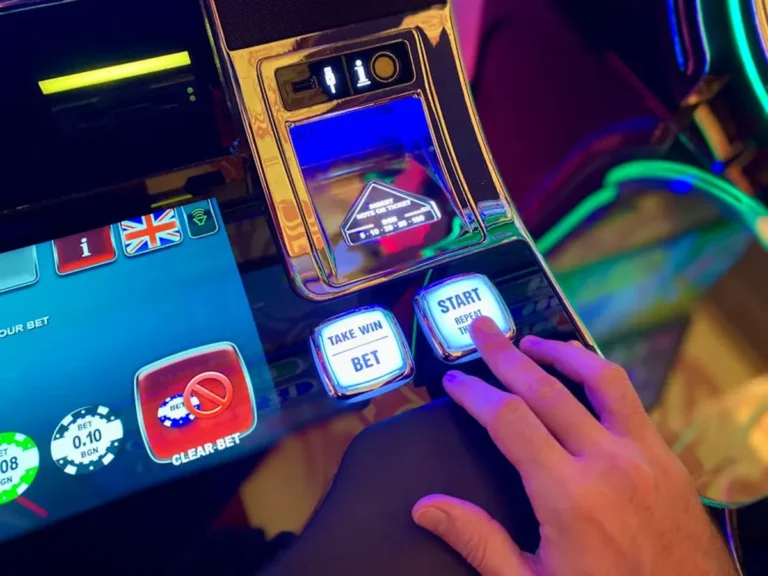
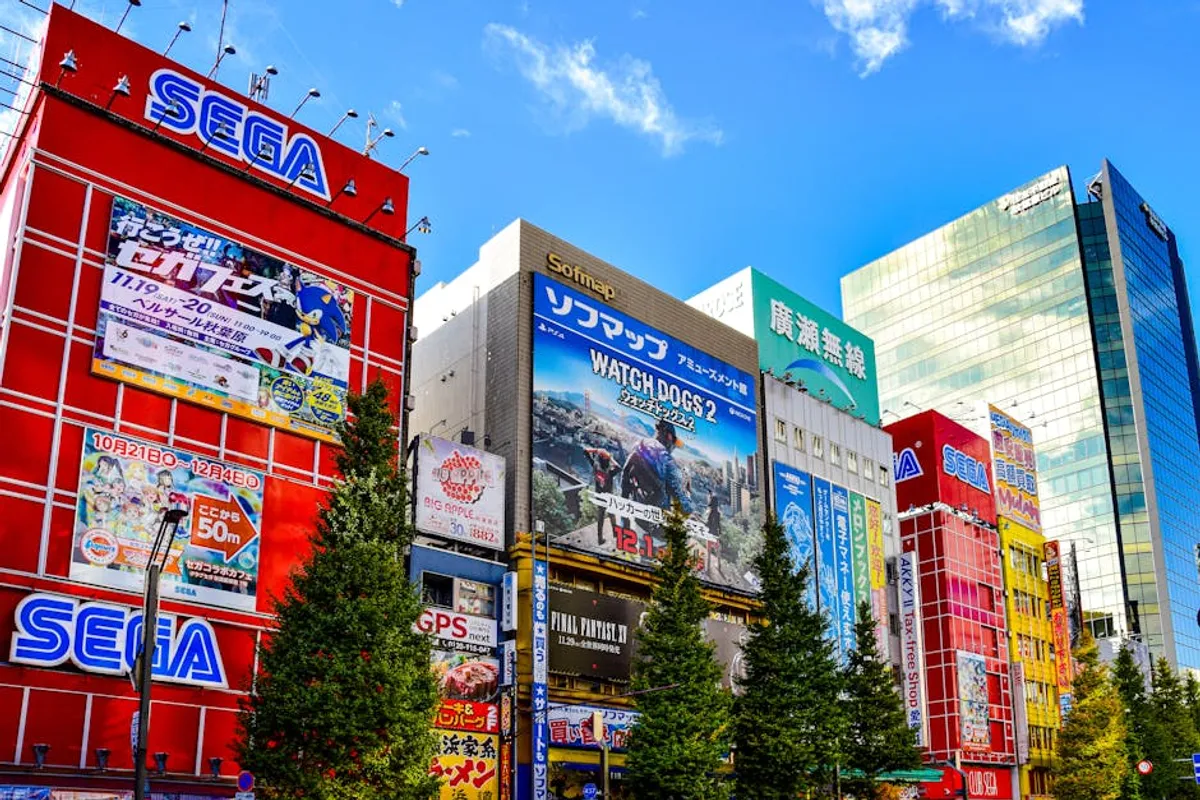
The Japanese gaming landscape was significantly shaped by its arcade culture, which flourished from the 1970s through the 1990s and continues to hold a niche presence. Arcades were not merely venues for playing games; they functioned as social hubs, fostering competitive communities around fighting games, rhythm games, and unique cabinets like pachinko and UFO catchers. This environment cultivated a preference for precision, high scores, and direct, often local, multiplayer interaction. The legacy of arcade design, emphasizing immediate gratification and skill mastery, persists in many console and mobile titles, influencing UI/UX principles and gameplay loops that reward incremental improvement and replayability.
Narrative Depth and Character Focus
A hallmark of Japanese gaming is its profound emphasis on narrative and character development, particularly evident in genres like RPGs and visual novels. Games frequently explore complex themes, intricate backstories, and emotional arcs, often prioritizing storytelling and character relationships over purely mechanical innovation. This focus resonates with an audience that values immersion, emotional investment, and a sense of progression tied to evolving plotlines and character growth. Marketing efforts that highlight rich lore, compelling protagonists, and impactful emotional experiences often see higher resonance within this cultural context.
Innovation in Hardware and Design
Japanese companies have historically driven significant innovation in gaming hardware and design, from Nintendo's pioneering of family-friendly consoles and unique input methods (e.g., the Wii's motion controls, the Switch's hybrid design) to Sony PlayStation's push for advanced graphics and multimedia capabilities. This propensity for novel approaches extends to game design, where developers frequently experiment with unconventional mechanics, art styles, and thematic elements. The market often responds positively to experiences that offer a fresh perspective or a unique twist on established genres, rather than simply iterating on existing formulas.
Key Genres and Their Cultural Significance
Role-Playing Games (RPGs)
The JRPG (Japanese Role-Playing Game) genre remains a cornerstone of Japanese gaming, characterized by turn-based or active-time battle systems, linear narratives, extensive character customization, and often fantastical settings. Titles like Final Fantasy and Dragon Quest have not only defined the genre globally but also established specific aesthetic and narrative conventions. The appeal lies in deep progression systems, memorable soundtracks, and the emotional connection players form with a diverse cast of characters over dozens, sometimes hundreds, of hours. Understanding the established tropes and player expectations within JRPGs is critical for any developer or marketer entering this space.
Fighting Games
Fighting games, stemming directly from the arcade era, maintain a strong competitive and cultural presence. Series such as Street Fighter, Tekken, and Guilty Gear are celebrated for their intricate combat systems, distinct character rosters, and high skill ceilings. The genre fosters a dedicated esports scene, though often with a more community-driven, grassroots feel compared to some Western esports. Engagement strategies should recognize the importance of character loyalty, competitive balance, and the social aspect of challenging other players, whether locally or online.
Rhythm Games and Visual Novels
These genres, while niche in some Western markets, hold significant cultural weight in Japan. Rhythm games capitalize on the nation's strong music and idol culture, offering engaging gameplay tied to popular songs and often featuring elaborate choreography or visual effects. Visual novels, on the other hand, are interactive story experiences that prioritize narrative, character dialogue, and player choices, often branching into multiple endings. Both genres appeal to audiences seeking immersive experiences that blend entertainment with artistic expression, often leveraging anime-style aesthetics and voice acting.
Mobile Gaming Trends
Mobile gaming in Japan is a dominant force, characterized by a high adoption rate of free-to-play titles incorporating gacha mechanics. These games often feature extensive character collection, social guild systems, and frequent in-game events. Popular genres include RPGs, puzzle games, and strategy titles, frequently leveraging established anime or manga IP. Monetization strategies are often built around compelling character designs, limited-time offers, and events that encourage daily engagement and social interaction. Localization for mobile must extend beyond translation to cultural adaptation of event themes, character voice, and monetization pacing.
Pro Tip: When localizing content for the Japanese market, do not underestimate the importance of nuanced translation and cultural adaptation. Direct translations can miss subtle humor, emotional context, or specific cultural references. Invest in native speakers who understand gaming terminology and the specific subcultures your content aims to reach. A poorly localized product can alienate an otherwise receptive audience, signaling a lack of respect for their cultural context.
Community, Fandom, and Content Creation
Doujin Culture and Fan Works
Doujin culture, encompassing fan-created manga, games, music, and art, is a vibrant and integral part of the Japanese gaming ecosystem. This phenomenon demonstrates a deeply engaged fandom that actively participates in extending and reinterpreting established game universes. Brands can leverage this by fostering environments that encourage fan creativity, respecting intellectual property while acknowledging the value of fan-driven content. Understanding doujin circles and events like Comiket can provide insights into emerging trends and community sentiment.
Esports and Competitive Play
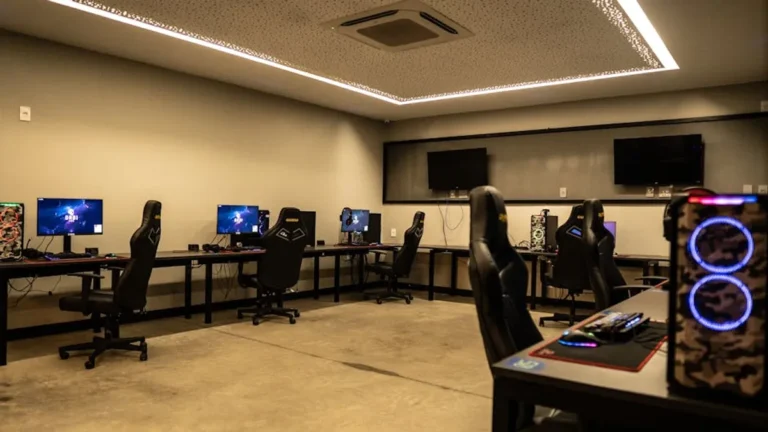
While esports is growing in Japan, its development has followed a distinct trajectory, partly due to historical legal restrictions on prize money and a different cultural approach to competition. The scene is often characterized by strong community ties, local tournaments, and a focus on specific genres like fighting games. For marketers, engaging with Japanese esports requires understanding these local nuances, supporting community organizers, and recognizing that player skill and sportsmanship are often valued alongside sheer competitive success.
Streaming and Influencers
Platforms like Niconico and YouTube are popular for game streaming and content creation, with a significant audience for gameplay commentaries, speedruns, and virtual YouTuber (VTuber) content. VTubers, in particular, have carved out a unique niche, combining anime aesthetics with live interaction. Collaborating with relevant Japanese streamers and content creators requires careful selection based on audience demographics, content style, and authentic alignment with your product's values, moving beyond simple follower counts to genuine influence within specific gaming communities.
Strategic Engagement with the Japanese Gaming Audience
- Deep Cultural Immersion: Go beyond surface-level trends. Understand the historical context, social norms, and aesthetic preferences that shape player expectations.
- Localization as Culturalization: Translate not just words, but meaning, humor, and emotional resonance. This includes UI/UX, character names, and narrative pacing.
- Platform-Specific Optimization: Recognize the dominance of mobile gaming and the specific features (e.g., gacha mechanics, social systems) that drive engagement on these platforms.
- Community-Driven Marketing: Engage with fan communities, support doujin activities, and participate in local events. Authenticity is key.
- Leverage Influencers Strategically: Partner with streamers and content creators who genuinely resonate with the target demographic and whose style aligns with your brand.
- Embrace Innovation and Quality: Japanese players often appreciate well-crafted experiences, unique mechanics, and high production values.
Navigating the Cultural Landscape for Commercial Success
Engaging with the Japanese gaming market demands a strategic approach rooted in cultural intelligence. It is not sufficient to simply port a successful Western title; rather, it requires a commitment to understanding and respecting the unique player base. Brands and developers who invest in genuine localization, adapt their marketing messages to local sensibilities, and foster authentic relationships with Japanese gaming communities will find greater traction. This involves recognizing the value placed on narrative depth, character appeal, and innovative design, while also navigating the distinct social and competitive dynamics that define this influential market. Success is built on demonstrating a deep appreciation for what makes Japanese gaming culture distinct and compelling.
Frequently Asked Questions about Japanese Gaming Culture
What makes Japanese gaming culture distinct from Western gaming?
Japanese gaming culture often emphasizes narrative depth, character development, and unique artistic styles, particularly in genres like JRPGs and visual novels. It also has a strong historical foundation in arcade culture, leading to a focus on precision, skill, and social play. Mobile gaming, with its gacha mechanics and strong social elements, also holds a more dominant position in Japan compared to many Western markets.
How important is localization for games targeting Japan?
Localization is critically important, extending beyond simple translation. It involves adapting cultural references, humor, character dialogue, and even gameplay mechanics to resonate with Japanese players. Poor localization can lead to misunderstanding, disengagement, and a perception that the product does not respect the local audience.
What role do mobile games play in the Japanese market?
Mobile games are a dominant force in Japan, with high engagement and significant revenue generation. Free-to-play titles incorporating gacha mechanics, social features, and frequent in-game events are particularly popular. Many successful mobile games leverage popular anime, manga, or established gaming IPs.
Are esports popular in Japan?
Esports are growing in popularity in Japan, though the scene has developed differently than in the West, partly due to past legal restrictions on prize money. It tends to be more community-driven, with a strong focus on fighting games and specific local tournaments. While growing, it maintains a distinct cultural flavor compared to global esports trends.